

Workplace expectations have shifted significantly in recent years, especially as hybrid and remote models have become more common across industries. These changes have also brought greater visibility to neurodivergent professionals, including individuals with ADHD, autism spectrum conditions, and sensory processing differences. While awareness has increased, implementation of meaningful workplace support remains inconsistent.
The Americans with Disabilities Act (ADA) provides a legal framework that requires employers to offer reasonable accommodations to qualified employees with disabilities. However, applying this framework in modern work environments requires more than compliance; it requires adaptability, understanding of cognitive diversity, and alignment with evolving workplace structures.
For neurodivergent professionals, the challenge is not ability, but environmental compatibility. Traditional workplace systems often prioritize uniformity in communication, sensory environment, and productivity expectations. These systems may unintentionally create barriers that impact performance, focus, and overall well-being.
This roadmap explores how ADA accommodations are evolving in 2026, particularly within hybrid environments. It focuses on practical, structured approaches that support productivity while respecting neurological differences, and on the importance of involving healthcare professionals.
Understanding ADA Frameworks in Modern Work Environments
The ADA was originally designed to prevent discrimination and ensure equal access to employment opportunities for individuals with disabilities. In practice, it requires employers to provide reasonable accommodations unless doing so creates undue hardship. This legal structure establishes a baseline expectation of fairness, but its real-world application depends heavily on how workplaces interpret “reasonableness” in evolving operational contexts.
In modern workplaces, particularly hybrid and remote environments, the interpretation of “reasonable” has expanded significantly. Accommodations are no longer limited to physical modifications such as ramps or ergonomic chairs. They now include digital workflows, communication structures, cognitive support systems, and flexible performance models that account for variability in attention, sensory processing, and executive functioning. This evolution reflects a broader shift in how work itself is defined, moving away from location-based assumptions toward outcome-based evaluation.
For neurodivergent professionals, accommodations may involve:
- Adjustments in communication style or frequency
- Flexible scheduling or task structuring
- Modified sensory environments (noise, lighting, stimulation)
- Alternative formats for instructions or meetings
- Task segmentation to reduce cognitive overload
Beyond these common adjustments, many organizations are now implementing structured documentation practices, asynchronous communication systems, and clearly defined task prioritization frameworks to reduce ambiguity. These additions are particularly important in hybrid environments, where a lack of real-time interaction can increase misalignment between expectations and execution.
The key principle is functional accessibility. Rather than standardizing how work is performed, modern ADA implementation focuses on ensuring that employees can perform effectively using methods aligned with their cognitive and sensory needs. This requires a shift from uniformity to adaptability, where workplace systems are designed to accommodate variability rather than resist it.
This shift reflects a broader recognition that productivity is not one-dimensional and that different cognitive profiles require different environmental supports. It also highlights the growing understanding that accessibility is not a separate layer of workplace design, but an integrated component of effective organizational structure, influencing communication, performance evaluation, and long-term workforce sustainability.

Neurodivergence in the Workplace: ADHD, Autism, and Sensory Processing Differences
Neurodivergence encompasses a wide range of cognitive and sensory processing variations that influence how individuals interact with their environment. In workplace contexts, these differences are often misinterpreted as inconsistency or inefficiency when, in reality, they reflect differences in processing style rather than capability. This distinction is important because many performance-related assumptions in traditional workplace settings are based on neurotypical norms that do not account for variation in attention, communication, or sensory regulation. When these differences are not properly understood, individuals may be unfairly assessed based on output style rather than actual effectiveness or problem-solving ability.
In structured or high-demand environments, neurodivergent professionals may also develop compensatory strategies to meet expectations, which can mask underlying challenges while increasing cognitive load. Over time, this can contribute to fatigue, burnout, or inconsistent performance patterns that are environmental rather than inherent.
ADHD in professional settings may involve:
- Difficulty sustaining attention in long, unstructured meetings
- High sensitivity to distractions in open environments
- Strong performance in short, high-intensity work cycles
- Challenges with task initiation or prioritization without structure
- Fluctuating engagement depending on the interest or urgency of tasks
These patterns often benefit from environments that provide clear structure, time boundaries, and reduced multitasking demands. When such supports are absent, individuals may spend additional cognitive energy self-regulating attention rather than focusing on core work output.
Autism spectrum conditions may involve:
- Preference for predictable routines and structured workflows
- Sensory sensitivities to noise, lighting, or social overload
- Direct communication styles that differ from workplace norms
- Deep focus on specific tasks with high accuracy and detail orientation
- Strong preference for clarity and explicit expectations in assignments
In many cases, predictable environments reduce cognitive strain and allow for sustained productivity. Ambiguity or frequent unplanned changes can significantly increase stress levels and reduce efficiency, not due to inability, but due to increased processing demands.
Sensory processing differences may involve:
- Overstimulation in busy or visually complex environments
- Fatigue from prolonged sensory input exposure
- Need for controlled environments to maintain focus and comfort
- Difficulty filtering multiple simultaneous sensory inputs
- Increased recovery time after high-stimulation periods
These responses are often misunderstood as disengagement, when in reality they reflect neurological load management. Adjusting environmental conditions can significantly improve comfort and sustained performance.
These are not limitations in capability, but variations in processing. When workplaces are designed with flexibility, neurodivergent professionals often demonstrate high levels of creativity, precision, and problem-solving ability. They may excel particularly in roles that require pattern recognition, deep focus, analytical thinking, or innovative approaches to complex problems, especially when unnecessary environmental barriers are reduced.
Reasonable Accommodations in Hybrid and Remote Work Models
Hybrid work environments have significantly expanded the range of possible accommodations under ADA frameworks. Instead of relying solely on physical workplace adjustments, employers can now modify digital workflows, communication systems, and scheduling structures. This shift has made accommodation more dynamic, allowing organizations to tailor work processes to individual cognitive and sensory needs rather than enforcing a single standardized model of productivity.
Common accommodations include:
- Remote or hybrid work flexibilitybased on task type
- Asynchronous communication to reduce real-time pressure
- Written instructions instead of verbal-only directives
- Flexible deadlines for complex cognitive tasks
- Reduced meeting load with summarized updates
- Structured task management tools with clear prioritization
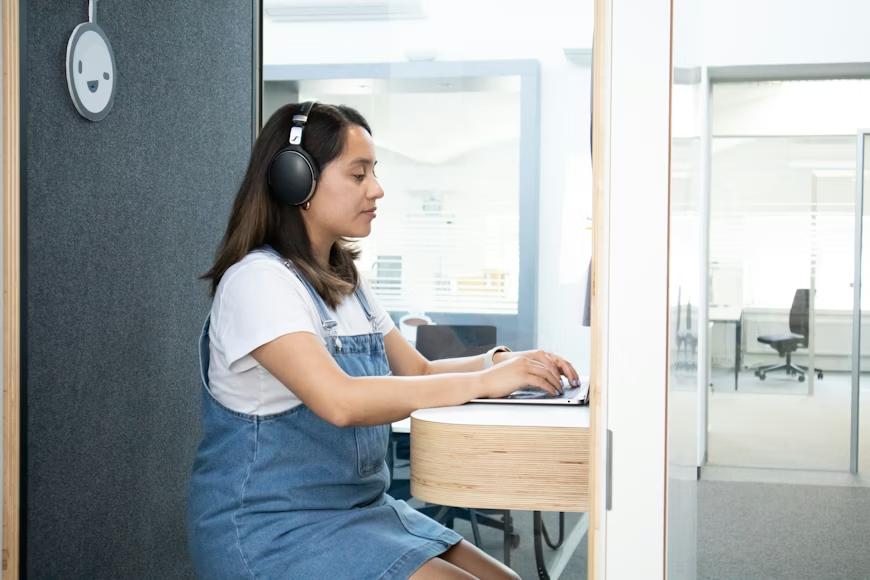
For neurodivergent professionals, these accommodations can reduce cognitive load and improve consistency in output. Hybrid environments also allow individuals to customize sensory conditions, such as lighting, noise levels, and workspace setup. This level of environmental control is particularly significant for individuals who experience sensory sensitivity or attention variability, as it allows them to regulate external stimuli in ways that support sustained focus and reduce fatigue.
In addition, digital tools used in hybrid environments, such as project management platforms, shared documentation systems, and communication dashboards, can enhance accessibility when implemented with clarity and consistency. These tools help reduce reliance on memory-based task tracking and minimize ambiguity around expectations. When properly structured, they provide a stable reference point for priorities, deadlines, and responsibilities, which is especially beneficial for individuals who experience executive functioning challenges.
However, effective accommodation requires intentional design. Simply offering remote work is not sufficient if expectations remain misaligned with cognitive processing needs. True accessibility involves matching task design with cognitive rhythm rather than location alone. This means understanding how individuals process information, manage transitions between tasks, and respond to time pressure, then structuring workflows accordingly.
Organizations must also consider the hidden workload that can emerge in poorly designed hybrid systems, such as constant context switching, unclear communication threads, or inconsistent meeting practices. These factors can increase cognitive strain even in remote settings, undermining the intended benefits of flexibility.
When hybrid environments are designed thoughtfully, they can reduce workplace barriers that have historically impacted neurodivergent professionals. By aligning structure, communication, and sensory flexibility with individual needs, organizations can create conditions where employees are better able to sustain focus, maintain productivity, and engage more fully with complex work tasks over time.

Communication Design and Cognitive Accessibility
Communication is one of the most significant factors influencing workplace accessibility for neurodivergent professionals. Traditional communication models often rely heavily on implicit expectations, verbal instructions, and real-time responsiveness. In fast-paced environments, this can create gaps between what is communicated and what is actually understood, particularly when instructions are delivered quickly, indirectly, or without sufficient structure.
For many neurodivergent individuals, this can create unnecessary cognitive strain. Processing verbal information in real time, especially in group settings, may require additional mental effort, leaving less capacity for task execution or strategic thinking. Effective accommodation involves restructuring communication into clearer, more predictable formats that reduce ambiguity and support consistent understanding across teams.
Best practices include:
- Clear written summaries following meetings
- Explicit task definitions with measurable outcomes
- Reduced ambiguity in expectations and deadlines
- Avoidance of excessive multitasking during communication
- Predictable scheduling for recurring discussions
Beyond these foundational practices, consistency in communication style is also important. Frequent changes in instructions, shifting priorities without documentation, or reliance on informal updates can significantly increase cognitive load. Standardizing communication channels, such as using a single platform for task updates or documentation, can help reduce confusion and improve information retention.
In hybrid environments, asynchronous communication tools can significantly improve accessibility. They allow individuals to process information at their own pace, reducing pressure associated with immediate response expectations. This is particularly beneficial in reducing the need for real-time interpretation under time constraints, which can often lead to miscommunication or incomplete task execution.
Additionally, structured communication supports better collaboration across distributed teams. When expectations are clearly documented, team members can revisit instructions as needed, reducing dependency on memory and minimizing the risk of misunderstanding. This also helps create a more equitable environment where individuals with different processing speeds or communication preferences can contribute effectively.

Sensory Environment Adjustments in Modern Workplaces
Sensory processing differences play a major role in workplace comfort and productivity. Many traditional office environments are not designed with sensory variability in mind, which can lead to overstimulation and reduced cognitive efficiency. This mismatch between environmental design and individual sensory needs often creates hidden barriers that affect sustained focus, decision-making speed, and overall workplace satisfaction.
In many cases, sensory overload is not immediately visible, which means it can be misinterpreted as distraction, disengagement, or inconsistency in performance. However, the underlying issue is often environmental intensity rather than capability. Factors such as continuous background noise, unpredictable interruptions, harsh lighting, and visually dense workspaces can accumulate cognitive strain over time, reducing an individual’s ability to maintain sustained attention on complex tasks.
Common environmental adjustments include:
- Noise reduction or access to quiet workspaces
- Adjustable lighting or reduced fluorescent exposure
- Flexible seating arrangements or remote work options
- Reduced visual clutter in shared environments
- Controlled meeting durations to prevent sensory fatigue
Beyond these commonly recognized adjustments, organizations can also introduce more nuanced environmental strategies. For example, creating designated low-stimulation zones within offices allows employees to regulate sensory input without fully disengaging from the workplace. Similarly, offering noise-canceling resources, visual barriers, or personalized workspace configurations can significantly improve comfort for individuals with heightened sensory sensitivity.
In hybrid work models, individuals often have greater control over their sensory environment, which can significantly improve focus and reduce fatigue. Remote settings allow for customization of lighting, sound levels, temperature, and visual complexity, enabling employees to design environments that align with their cognitive and sensory processing needs. This level of control is particularly beneficial for tasks requiring deep concentration or extended periods of analytical thinking.
However, hybrid environments also introduce variability in sensory control depending on home conditions, which may not always be optimized. In such cases, employers can support accessibility by providing guidance, resources, or stipends for ergonomic and sensory-friendly workspace improvements. This ensures that the benefits of hybrid flexibility are more evenly distributed across employees.
Organizations that prioritize sensory accessibility often see improvements in retention, engagement, and performance consistency among neurodivergent employees. Reduced sensory strain leads to better cognitive endurance, fewer interruptions in focus, and improved emotional regulation during high-demand tasks. Over time, this contributes to more stable performance outcomes and reduced burnout rates.
Additionally, sensory-friendly environments benefit not only neurodivergent professionals but also neurotypical employees who may experience fatigue in overstimulating environments. This creates a broader organizational advantage, as improved environmental design enhances overall workplace efficiency, satisfaction, and collaboration quality.
When sensory needs are acknowledged as a legitimate component of workplace design, organizations move toward a more inclusive and sustainable operational model. This approach recognizes that productivity is not solely determined by skill or effort, but also by the degree to which the environment supports or hinders cognitive functioning.

Performance Evaluation and Fair Assessment Models
Traditional performance evaluation systems often emphasize uniform output expectations without accounting for cognitive diversity. However, ADA-aligned workplaces are increasingly shifting toward outcome-based evaluation rather than process-based evaluation. This shift reflects a growing understanding that productivity is not determined by how visibly or conventionally someone works, but by the value and effectiveness of what they produce.
This means assessing:
- Quality of output rather than method of execution
- Consistency over time rather than moment-to-moment behavior
- Task completion rather than visible working style
- Impact of work rather than conformity to traditional workflows
For neurodivergent professionals, this shift is critical. It allows performance to be measured fairly without penalizing cognitive differences in approach. Many neurodivergent individuals may work in non-linear patterns, alternate between periods of intense focus and lower engagement, or rely on unconventional problem-solving methods. Process-based evaluation systems often misinterpret these patterns as inconsistency, even when outcomes meet or exceed expectations.
Structured evaluation systems also reduce bias and improve clarity in expectations, benefiting both employees and organizations. When expectations are clearly defined in measurable terms, employees are better able to align their efforts with organizational goals without relying on implicit behavioral norms or subjective interpretation of “ideal” working style.
Expanding beyond these foundational principles, outcome-based evaluation also requires organizations to redefine how performance data is collected and interpreted. Instead of focusing on visible indicators such as time spent in meetings, responsiveness in real time, or adherence to traditional schedules, organizations increasingly rely on deliverables, project milestones, and measurable impact indicators. This creates a more equitable framework where different working styles can coexist without disadvantage.
In addition, structured evaluation systems help reduce unconscious bias in managerial assessments. When managers are trained to evaluate based on predefined criteria rather than subjective impressions of engagement or communication style, performance reviews become more consistent and objective. This is particularly important in hybrid and remote environments, where visibility of work processes is already reduced.
Another important aspect is feedback design. Outcome-based systems are most effective when feedback is specific, actionable, and tied to clearly defined expectations. Vague feedback, such as “improve communication” or “be more engaged,” can disproportionately disadvantage neurodivergent employees, whereas structured feedback tied to measurable outcomes provides clearer direction for improvement and growth.
Organizations that adopt these systems often experience improved talent retention, as employees feel evaluated more fairly and transparently. It also encourages innovation, since individuals are not constrained by rigid process expectations and can instead focus on achieving results in ways that align with their cognitive strengths.
Over time, outcome-based evaluation contributes to a more resilient organizational culture. It shifts the focus from the appearance of productivity to actual effectiveness, enabling teams to function with greater autonomy, flexibility, and trust. This approach not only supports neurodivergent professionals but also enhances performance clarity and accountability across the entire workforce.

Workplace Culture and Inclusion Beyond Compliance
True implementation of ADA accommodations extends beyond policy compliance. It requires cultural awareness and a willingness to adapt workplace norms. Legal frameworks can establish minimum requirements, but they cannot by themselves create an environment where individuals feel supported, understood, and empowered to perform at their best. That level of effectiveness depends on how inclusion is embedded into everyday organizational behavior.
Inclusive workplace cultures:
- Normalize accommodation discussions
- Avoid stigmatizing cognitive differences
- Encourage flexible work styles
- Value diverse cognitive approaches to problem-solving
When inclusion is embedded into culture rather than treated as an exception-based policy, neurodivergent professionals are more likely to thrive and contribute fully. This shift reduces the perception that accommodations are “special treatment” and instead reframes them as standard variations in how people work effectively.
Beyond these foundational elements, inclusive culture also requires leadership modeling. When managers openly support different working styles and consistently reinforce psychological safety, employees are more likely to request accommodations early rather than waiting until challenges become severe. Early intervention often leads to better performance outcomes and reduces long-term strain on both individuals and teams.
Training and awareness also play a key role. Organizations that invest in education around cognitive diversity help reduce misunderstandings related to communication style, work pacing, or sensory needs. This can prevent misinterpretation of behavior that might otherwise be labeled as disengagement or lack of effort. In reality, many of these differences are simply variations in processing and interaction style.
Another important factor is team-level adaptability. Inclusive cultures encourage teams to co-design workflows that accommodate different cognitive preferences rather than enforcing rigid uniformity. This may include allowing multiple ways to contribute to projects, offering flexible participation formats in meetings, or enabling written and verbal communication options depending on individual needs.
Feedback systems also become more constructive in inclusive environments. Instead of focusing on conformity to process, feedback is centered on clarity of outcomes and shared expectations. This reduces friction and helps individuals understand exactly how their contributions are measured and valued.

If you are navigating workplace protections and medical documentation needs related to ADA accommodations, we understand how important it is to have reliable clinical support from online intermittent FMLA doctors that aligns with both your health and employment requirements. At HealthSource Medical Associates, we provide structured, compliant, and timely care across a full range of telehealth services. Through our online urgent care services, we support patients who need accessible care without delay. When you are seeking a medical certificate for work, we ensure it is issued only after a proper clinical evaluation. For ongoing treatment needs, we provide virtual prescription refill support when clinically indicated. We also offer structured documentation pathways for workplace and legal needs, including support for intermittent FMLA leave when required.
If you are ready to begin, we are here to help you access care, complete documentation, and manage prescriptions through secure and dependable urgent telehealth care tailored to your needs. Contact us now.