Missing work due to illness is something everyone experiences, but proving it to an employer often creates unnecessary stress. A doctor’s note for work bridges that gap. It provides formal medical confirmation that you were unable to perform your duties, while also protecting both you and your employer from misunderstandings.
Workplace expectations have evolved, especially as remote work and flexible schedules have become more common. Employers now prioritize documentation that is clear, timely, and verifiable. At the same time, employees expect faster access to care without needing to sit in crowded waiting rooms for minor conditions. This shift has made digital healthcare solutions more relevant than ever.
Online healthcare platforms now allow patients to consult licensed providers, receive evaluations, and obtain documentation—all within a single visit. This convenience does not replace traditional care, but it complements it by making everyday healthcare needs more manageable.

When Do You Actually Need a Doctor’s Note?
Not every sick day requires documentation, but certain situations do. Employers often request a doctor’s excuse for work after multiple consecutive absences, especially if the absence affects scheduling or productivity. In other cases, a note becomes essential when workplace policies specifically require verification after a certain number of days.
Some industries, particularly those involving safety or public health, enforce stricter documentation rules. Employees in healthcare, food service, or physically demanding roles may need clearance before returning to work. A properly issued note ensures that both the employee and the workplace remain protected.
There are also cases where employees need documentation for short-term medical leave or accommodations. In these situations, clarity becomes critical. A vague explanation rarely satisfies HR requirements, which is why properly structured medical documentation plays such an important role.
How Online Doctor Notes Work
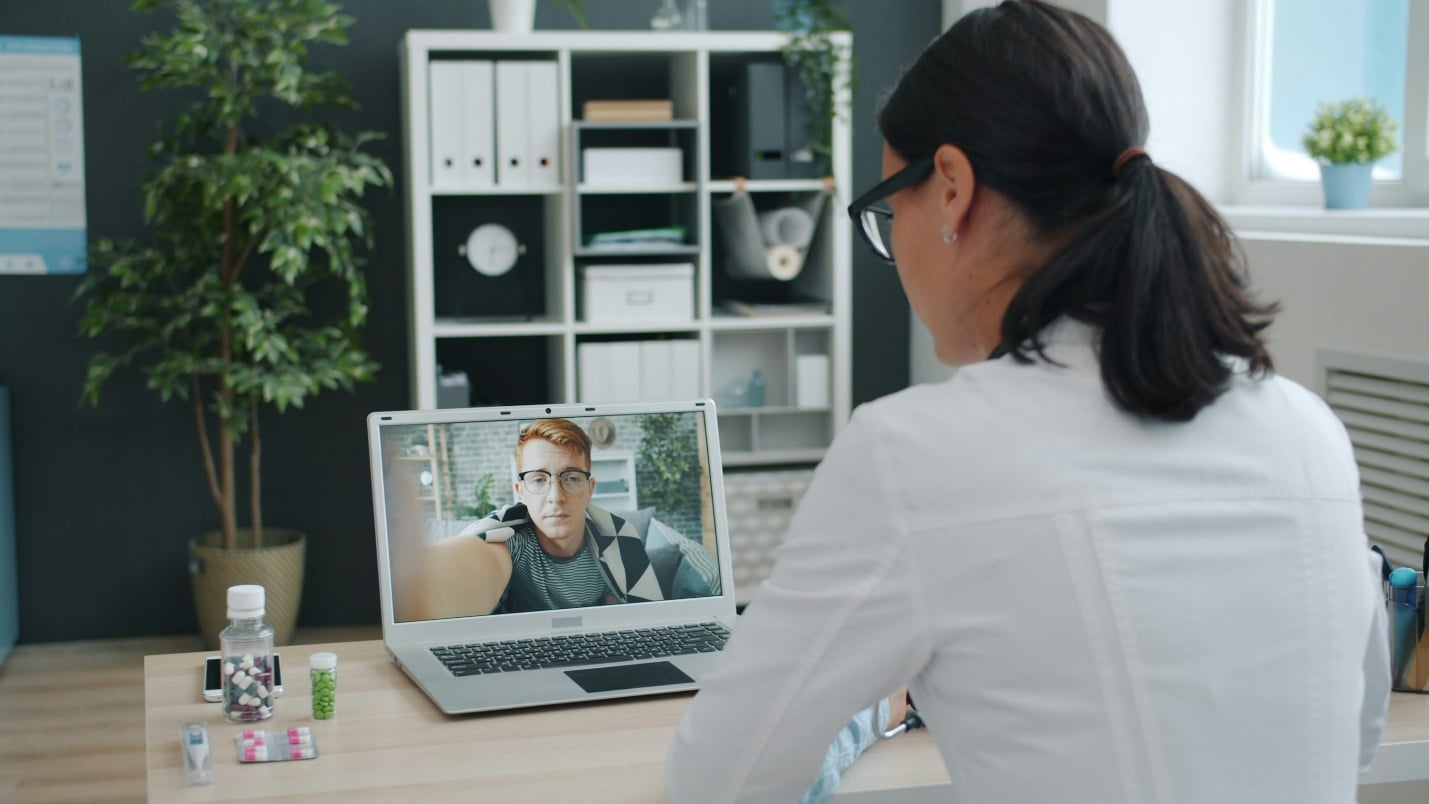
Getting a doctor’s note online is a straightforward process when done through a legitimate healthcare provider. It starts with scheduling a virtual consultation. Many platforms now offer online urgent care, allowing patients to connect with a provider quickly, often on the same day.
During the visit, the provider reviews your symptoms, medical history, and current condition. This step is essential. A legitimate note always comes from an actual medical evaluation, not a pre-generated template. The provider uses their clinical judgment to determine whether your condition justifies time away from work.
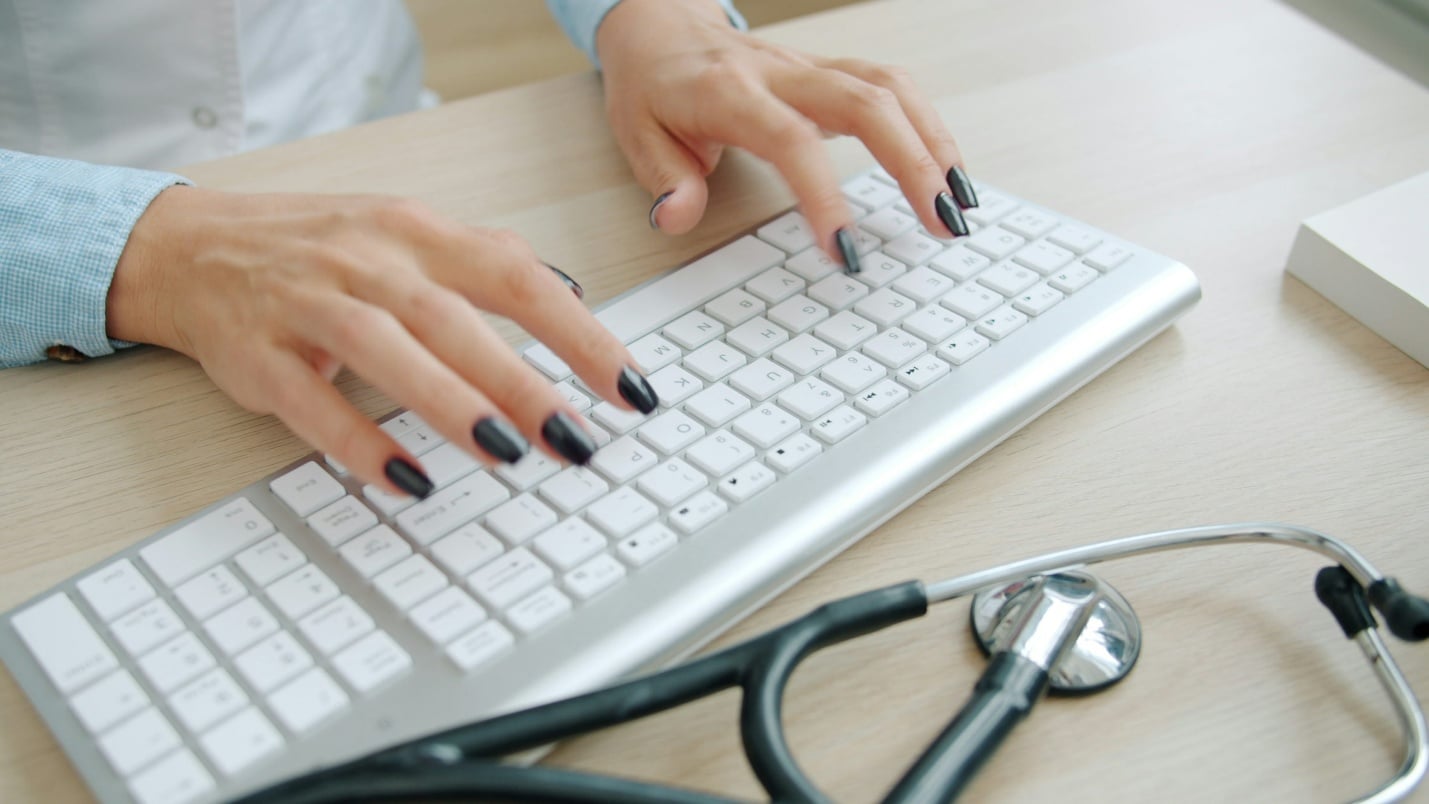
If appropriate, the provider issues an online doctor’s note that includes key details such as the date of evaluation, recommended time off, and any necessary work restrictions. The document may also include provider credentials and contact information for verification purposes.
The entire process typically takes less time than a traditional in-person visit, making it especially useful for minor illnesses, short-term conditions, or situations requiring immediate documentation.
What Makes a Doctor’s Note Legally Valid?
Not all documentation carries the same weight. A real doctor’s note for work must meet certain standards to be considered valid. First, it must come from a licensed healthcare provider. This ensures that the evaluation is legitimate and meets medical and legal expectations.
Second, the note must reflect an actual consultation. Employers increasingly recognize telehealth visits as valid, but only when they involve proper medical assessment. A document issued without a real interaction raises red flags and may be rejected.
Third, the content must be clear and professional. A valid medical certificate for work includes specific details such as dates, general medical justification, and any necessary restrictions. It should avoid unnecessary personal health information while still providing enough clarity for workplace use.
Finally, verifiability matters. Employers may not always contact the provider, but the ability to verify the note adds credibility. This is why legitimate platforms ensure that their documentation aligns with standard medical practices.
Same-Day Options and Why Speed Matters
Timing plays a major role in workplace documentation. When employees fall sick, they often need proof quickly to avoid complications with attendance policies. That is where telehealth urgent care becomes particularly valuable.
Many platforms now offer urgent care virtual visit options, allowing patients to speak with a provider within minutes or hours. This immediacy helps employees stay compliant with workplace requirements without delaying care.
Fast access does not mean cutting corners. Providers still conduct proper evaluations before issuing any documentation. The difference lies in accessibility. Instead of waiting days for an appointment, patients receive care and documentation on the same day.
This approach reflects the evolving nature of healthcare. Convenience, efficiency, and reliability now go hand in hand, especially for routine needs like short-term work absences.
Employer Expectations and Verification
Employers do not just want documentation—they want credible documentation. HR teams often look for consistency, clarity, and professionalism when reviewing a doctor’s certificate for work.
A well-prepared note answers key questions without unnecessary detail. It confirms that the employee sought medical care, explains the need for absence, and outlines any restrictions. At the same time, it respects patient privacy by avoiding the disclosure of sensitive information.
Verification also plays a role. While not every employer will follow up, the presence of provider credentials and contact details adds legitimacy. It reassures employers that the documentation comes from a qualified source.
Understanding these expectations helps employees avoid common mistakes, such as submitting incomplete or unclear notes. It also ensures smoother communication between employees and employers.

Common Mistakes to Avoid
Many people assume that getting a doctor’s note is a straightforward task. Still, in reality, several common mistakes can delay approval, create unnecessary stress, or even lead to rejection by an employer. Understanding these pitfalls ahead of time can help you avoid complications and ensure your documentation is accepted without issues.
One of the most frequent mistakes is relying on unofficial or non-medical sources. With so many websites offering quick templates or instant downloads, it can be tempting to take shortcuts. However, a note from a non-licensed healthcare provider lacks credibility and may raise serious concerns with employers. Most HR departments are trained to identify documentation that does not meet professional standards. Submitting an invalid note can damage trust and may even result in disciplinary action. A legitimate note must always follow a proper medical evaluation, whether it occurs in person or via telehealth consultation.
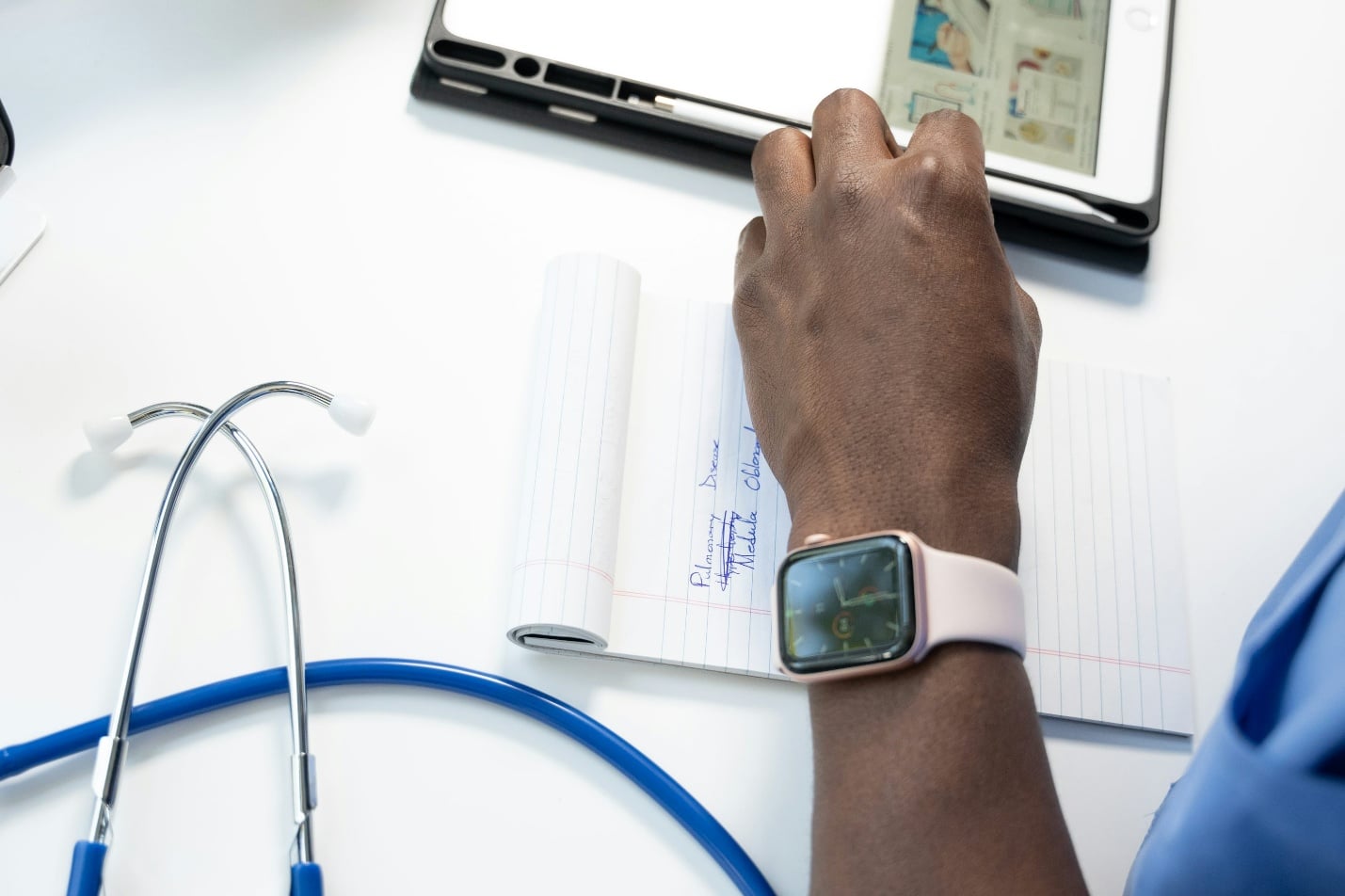
Another common issue is incomplete or unclear documentation. Employers need specific information to process absences efficiently. A vague note stating “unwell” or “needs rest” may not provide sufficient clarity. While medical privacy is important, the documentation should still include key elements such as the date of the visit, the recommended duration of absence, and any work-related restrictions if applicable. Missing details often lead to follow-up requests from HR, which can delay approval and prolong the process. Ensuring your note is clear, professional, and complete from the start helps avoid unnecessary back-and-forth.
Timing is another factor that many people overlook. Some employees wait too long to seek medical care, assuming they can handle the issue on their own. While this approach may work for mild symptoms, it becomes problematic when documentation is required after the fact. A delayed consultation makes it harder for a provider to accurately assess your condition during your absence. Employers may question why the documentation does not align with the actual timeline. Seeking care promptly, especially through convenient options like telehealth, ensures that your note reflects the true timing of your illness and supports your absence more effectively.

Misunderstanding workplace policies is another mistake that can create avoidable challenges. Every organization has its own guidelines regarding sick leave and documentation requirements. Some employers require a note after a specific number of days, while others may request one immediately, depending on the situation. Failing to understand these expectations can lead to confusion or last-minute scrambling. Taking the time to review your company’s policy helps you stay prepared and ensures that you provide the right documentation at the right time.
Another overlooked mistake is assuming that any medical issue automatically qualifies for a formal note. While many conditions justify time away from work, the provider must still evaluate whether the absence is medically necessary. Not every symptom results in a recommendation for leave, and expectations should align with professional medical judgment. Being transparent during your consultation helps the provider make an accurate assessment and issue appropriate documentation if needed.
Communication also plays a key role in avoiding problems. Some employees fail to inform their employer promptly about their condition or expected absence. Even with a valid doctor’s note, delayed communication can create friction in the workplace. Keeping your employer informed while following internal procedures demonstrates responsibility and helps maintain a positive professional relationship.
Lastly, choosing the wrong healthcare provider can lead to complications. Not all telehealth services operate with the same level of professionalism or compliance. Selecting a reputable provider ensures that your documentation meets accepted standards and can be verified if necessary. A reliable service will guide you through the process, conduct a proper evaluation, and provide documentation that aligns with employer expectations.
Avoiding these common mistakes comes down to preparation, awareness, and choosing the right approach. When you rely on licensed providers, seek care promptly, and understand your workplace requirements, the entire process becomes smoother and more predictable. In the end, a well-prepared and properly issued doctor’s note not only supports your absence but also reinforces trust between you and your employer.
The Role of Telehealth in Modern Workplace Healthcare
Telehealth has transformed how people approach everyday healthcare needs. What once required a physical visit can now be handled through a secure online consultation. This shift has made services like urgent care online more accessible to a wider audience.
For employees, this means fewer disruptions. They no longer need to take additional time off to visit a clinic for minor conditions. Instead, they can consult a provider from home and receive both care and documentation in a single session.
Employers also benefit from this change. Faster access to care leads to quicker resolutions, reducing prolonged absences and improving overall workplace efficiency. It creates a system where both parties can operate with greater clarity and confidence.
How to Choose a Reliable Online Provider
Not all telehealth services operate at the same standard, and choosing the right provider plays a critical role in both your medical care and the credibility of your documentation. With the growing popularity of virtual healthcare, the number of platforms available has increased significantly. While this offers convenience and choice, it also makes it more important to evaluate providers carefully before trusting them with your health and workplace documentation needs.
A reliable online provider always employs licensed medical professionals who are authorized to practice in your region. This is the most important factor to verify. A legitimate consultation should feel no different in quality from an in-person visit, with the provider asking relevant questions, reviewing your symptoms, and making a professional assessment. If a platform promises instant documentation without a proper consultation, it should raise immediate concerns. Authentic care requires a real evaluation, and any shortcut in that process can result in documentation that employers may not accept.
In addition to credentials, strong medical protocols are another indicator of a trustworthy provider. A reputable platform follows established clinical guidelines, ensuring that every consultation meets professional standards. This includes accurately documenting your condition, maintaining proper records, and issuing recommendations that reflect genuine medical judgment. These protocols protect both the patient and the provider, and they ensure that any documentation issued stands up to scrutiny if needed.
Patient privacy is another essential consideration. Healthcare information is highly sensitive, and a reliable provider must comply with strict privacy and data protection standards. Secure platforms use encrypted communication, protect your personal details, and ensure that your medical information is not shared without consent. Before choosing a provider, it is important to understand how your data will be handled and whether the platform follows recognized privacy regulations. Feeling confident about your privacy allows you to communicate openly during your consultation, which leads to better care and more accurate documentation.
Transparency also plays a major role in building trust. Patients should clearly understand what to expect before starting a consultation. This includes how the appointment works, how long it typically takes, and how documentation will be issued afterward. A reliable provider explains whether the documentation will include key details such as consultation date, provider credentials, and recommended time off. Clear expectations prevent confusion and ensure that you receive documentation that meets workplace requirements.
Another important step is reviewing patient feedback and testimonials. While no provider will have perfect reviews, consistent positive feedback about professionalism, responsiveness, and ease of use is a strong sign of reliability. Pay attention to how the platform handles concerns or complaints as well. A provider that responds thoughtfully and resolves issues demonstrates accountability and commitment to patient care.
Understanding the platform’s policies can also help you make an informed decision. This includes cancellation policies, follow-up care options, and the time it takes to deliver documentation after a consultation. Some providers offer same-day documentation, while others may require additional review time depending on the situation. Knowing these details in advance helps you plan accordingly and avoid unnecessary stress, especially when documentation is time-sensitive.
Accessibility and ease of use are also worth considering. A good telehealth platform should be simple to navigate, allowing you to book appointments quickly and connect with a provider without technical difficulties. Complicated systems can delay care and create frustration, particularly when you need timely documentation for work. A smooth user experience reflects a provider’s commitment to patient convenience and efficiency.
Ultimately, choosing a reliable provider comes down to trust. When you select a platform that prioritizes professional care, transparency, and privacy, you gain more than just convenience. You gain confidence that your health concerns are being addressed properly and that any documentation you receive will be recognized and respected. Taking the time to choose wisely ensures a better experience from start to finish.
The Future of Work Documentation
Workplace documentation continues to evolve alongside advancements in healthcare, and telehealth is playing a central role in that transformation. As more employees and employers adopt digital solutions, organizations are shifting toward a more efficient, flexible model for managing absences, medical verification, and employee well-being.
One of the most significant changes is the growing acceptance of digital documentation. Employers are increasingly recognizing that virtual consultations can provide the same level of medical credibility as in-person visits. Licensed providers follow the same clinical standards regardless of the setting, and documentation issued through a proper telehealth consultation carries the same professional weight. This shift reflects a broader understanding that healthcare delivery has changed, and workplace policies must adapt accordingly.
Efficiency is one of the key drivers behind this transition. Traditional processes often require employees to schedule in-person visits, wait for appointments, and manage paperwork manually. This can create delays that affect both the employee and the organization. Telehealth simplifies this process by allowing individuals to seek care quickly and receive documentation without unnecessary disruptions. For employers, this means faster verification and more streamlined administrative workflows.
Employees are also embracing this change. Modern work environments demand flexibility, and virtual care aligns with that expectation. Instead of taking extended time away from work to attend appointments, employees can consult with a provider from home or during a break. This convenience reduces stress and allows individuals to address health concerns promptly. As a result, employees feel more supported, and organizations benefit from improved productivity and engagement.
Another important aspect of this evolution is consistency in documentation. Digital platforms often standardize how information is recorded and shared, reducing the risk of incomplete or unclear notes. This consistency helps HR teams process documentation more efficiently and ensures that all required details are present. Clear, professional documentation minimizes follow-ups and creates a smoother experience for everyone involved.
The integration of technology also opens the door to better record-keeping and accessibility. Digital documentation can be stored securely, retrieved easily when needed, and shared with authorized parties without delays. This reduces the risk of lost paperwork and allows both employees and employers to maintain accurate records over time. In situations where verification is required, having easily accessible documentation can make a significant difference.
Despite these advancements, the goal is not to replace traditional healthcare. In-person care remains essential for certain conditions and situations that require physical examination or specialized treatment. Instead, telehealth complements traditional care by providing an additional, convenient option for addressing routine or time-sensitive needs. This hybrid approach creates a more balanced healthcare system that meets a wider range of patient needs.
Looking ahead, workplace policies will likely continue to evolve as telehealth becomes even more integrated into everyday life. Organizations are beginning to update their guidelines to explicitly include virtual consultations and digital documentation as acceptable forms of medical verification. This reflects a broader cultural shift toward embracing technology as a tool for improving both healthcare access and workplace efficiency.
The future of work documentation lies in flexibility, accessibility, and trust. By combining the strengths of digital and traditional healthcare, organizations can create systems that support employees while maintaining clear and reliable processes. For employees, this means faster access to care and less disruption to their daily lives. For employers, it means more efficient management and stronger alignment with modern healthcare practices.
As telehealth continues to grow, it will shape not only how care is delivered but also how workplaces respond to health-related needs. This evolution represents a positive step forward, creating a more responsive, efficient, and human-centered approach to both healthcare and work.
Get the Care and Documentation You Need—Without the Hassle
If you need a fast, reliable doctor’s note for work, you do not have to navigate the process alone. HealthSource Medical Associates makes it simple to connect with licensed providers, receive proper evaluations, and get the documentation you need—often on the same day.
Skip the waiting rooms and take control of your time. Book a virtual visit today and get the care and support you need, right when you need it.