
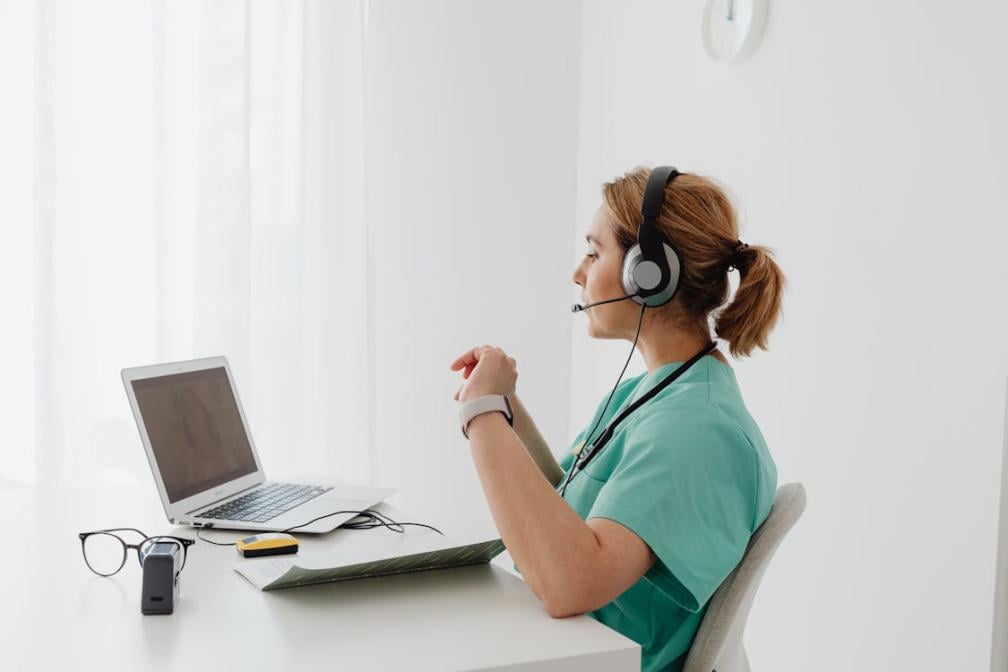
What if the most important member of your healthcare team wasn’t located in a brick-and-mortar office ten miles away, but was available in the palm of your hand every single day? For decades, the management of long-term health conditions has been defined by quarterly ten-minute appointments, long commutes, and the anxiety of waiting weeks for test results. This fragmented approach often fails those living with persistent challenges like hypertension or type 2 diabetes, where symptoms do not follow a convenient ninety-day schedule.
However, in 2026, the landscape has shifted significantly. Virtual primary care for chronic illness is no longer just a digital backup plan or a temporary fix for minor ailments; it is becoming the gold standard for continuous, data-driven, and deeply personalized medical management. By leveraging high-speed connectivity and real-time health monitoring, patients are finally breaking free from the waiting room cycle that has historically hindered recovery and maintenance. This modern evolution ensures that clinical expertise is integrated into the patient’s daily life rather than being a disruptive, occasional event.
As we look toward a future of proactive wellness, this digital-first approach offers a more resilient, empathetic, and effective framework for those navigating the complexities of long-term health journeys.
The Shift from Episodic to Continuous Care
Traditional medicine is largely reactive. Patients typically only see a provider when a symptom flares up or for a scheduled check-in that captures only a tiny snapshot of their daily health. For a person managing a chronic condition, this episodic model is insufficient. Blood pressure fluctuates based on stress, diet, and sleep; glucose levels change by the hour. A single office reading every three months cannot account for these variables.
Virtual primary care for chronic illness solves this by moving toward a model of continuous engagement. By utilizing remote monitoring tools and frequent digital touchpoints, we can track health trends in real-time. This allows for proactive adjustments to treatment plans before a minor fluctuation becomes a major health crisis.
Understanding the Scope of Virtual Primary Care
Many people first encountered digital health through virtual urgent care, which is designed for one-off issues like sinus infections or minor rashes. While these services are vital for immediate relief, primary care is fundamentally different. It is built on a long-term, evolving relationship between the patient and the provider, a partnership that looks at the big picture rather than just the immediate symptom.
In a virtual primary care for chronic illness setting, the physician manages the totality of a patient’s health. This comprehensive approach ensures that no aspect of well-being is overlooked. This includes:
- Annual Wellness Screenings:Conducted via guided home testing kits and high-definition video consultations, these sessions allow for early detection of potential health risks without the need for a physical office visit.
- Specialized Chronic Management:Providers offer dedicated oversight for complex metabolic, cardiovascular, and respiratory conditions. By using real-time data, they can fine-tune treatments for hypertension, asthma, or diabetes with clinical precision.
- Care Coordination:This involves the seamless integration of specialist referrals and laboratory testing. Your virtual primary care team acts as a central hub, ensuring that results from different sources are synthesized into one cohesive health strategy.
- Mental Health Integration:We recognize that long-term physical illness often carries a heavy emotional toll. Virtual platforms allow for the integration of behavioral health support to address anxiety or depression related to chronic disease management.
By expanding the scope beyond simple prescriptions, virtual primary care transforms the digital space into a full-service medical home. It prioritizes preventative measures and emotional resilience, ensuring that every patient receives a holistic experience that is both medically rigorous and personally supportive.

The Impact of Chronic Disease in 2026
The necessity for this model is underscored by current health statistics that paint a challenging picture of the national landscape. According to the Centers for Disease Control and Prevention (CDC) and recent 2025 health outlook reports, approximately 60% of adults in the United States live with at least one chronic condition, and an alarming 40% struggle with two or more. These persistent health challenges, ranging from metabolic disorders to autoimmune conditions, account for 90% of the nation’s $4.5 trillion in annual healthcare expenditures.
The traditional medical system is increasingly overwhelmed, leading to longer wait times and shorter consultation windows that barely scratch the surface of a patient’s needs. By transitioning stable chronic patients to virtual primary care for chronic illness, we significantly reduce the physical burden on brick-and-mortar clinics. This shift allows in-person facilities to focus on acute emergencies while simultaneously improving the frequency and quality of care for the chronic patient.
In the virtual space, a patient is no longer just a number in a crowded waiting room; they are a prioritized partner in a system designed for high-touch, low-friction medical management. This transition is not merely a matter of convenience; it is a critical systemic adjustment required to sustain public health in an era of rising demand.
Comparison: Traditional vs. Virtual Chronic Management
| Feature | Traditional Office-Based Care | Virtual Primary Care (HSMA Model) |
| Frequency | Every 3–6 months | Continuous/Monthly touchpoints |
| Data Collection | Single point-in-time readings | Continuous remote monitoring (RPM) |
| Response Time | Days or weeks for a callback | Near-instant messaging and Sunday-Friday access |
| Lifestyle Support | Brief verbal advice | Integrated health coaching and meal planning |
| Prescription Logic | Requires a physical visit for refills | Seamless virtual prescription refill workflows |
Managing Hypertension Through the Screen
Hypertension is often called the silent killer because it rarely presents obvious symptoms until damage has occurred. In a virtual setting, patients are equipped with Bluetooth-enabled blood pressure cuffs. These devices automatically sync data to the medical team’s dashboard.
When a provider sees a trend of elevated readings over several days, they don’t wait for the patient to call. They initiate a video consult to discuss potential triggers, perhaps a high-sodium week or increased work stress. This level of oversight significantly improves control rates. Recent clinical reviews suggest that patients using remote monitoring achieve their target blood pressure 20% faster than those using traditional care alone.
Pro Tip: Always take your blood pressure at the same time each day, preferably in the morning before caffeine. Consistency in timing is more important than the individual number when looking for long-term trends in your virtual dashboard.

Diabetes Care and Remote Glucose Monitoring
For those with diabetes, the digital revolution has been life-changing. Continuous Glucose Monitors (CGM) can now be integrated directly into a virtual primary care platform. This allows the physician to see exactly how specific foods or exercise routines affect blood sugar levels.
Instead of a generic lecture on diet, a doctor can provide specific feedback: I noticed your glucose spiked significantly after your Tuesday lunch. Let’s look at what happened there. This transforms the doctor-patient relationship into a partnership based on objective, personalized data.
Navigating the Virtual Prescription Refill Process
One of the greatest points of friction in chronic disease management is consistent medication adherence. Life is inherently busy, and the logistical hurdle of securing a refill often leads to skipped doses. Running out of a maintenance medication, even for a few days, can lead to dangerous rebounds in blood pressure, destabilized blood sugar, or increased cardiovascular risk.
The virtual prescription refill system is purposefully designed to eliminate these life-threatening gaps. Because the medical team has integrated access to the patient’s real-time health data via remote monitoring, they can safely authorize renewals with clinical confidence. This removes the outdated requirement for a patient to take a half-day off work for a perfunctory in-person medication check that provides less data than a digital dashboard.
By streamlining the administrative side of medicine, this process ensures there is never a lapse in the treatment plan, keeping the patient’s long-term health goals firmly on track without unnecessary stress or travel.
Addressing Acute Needs with Virtual Urgent Care
Even with the most meticulous primary care, acute health issues are an inevitable part of life. A patient managing asthma might suddenly catch a seasonal cold that triggers a severe respiratory flare-up, or an individual with type 2 diabetes might notice a minor foot injury that carries the risk of a serious infection. In these high-stress moments, having immediate access to virtual urgent care within the same clinical ecosystem is an invaluable safety net.
The true power of this integrated approach lies in data continuity. Because the urgent care provider operates within the same medical home as the primary physician, they have instant access to the patient’s comprehensive chronic disease history, current medication list, and recent lab results. This joined-up thinking prevents the medical errors and dangerous drug interactions that frequently occur when a patient visits a random, disconnected walk-in clinic where the staff has no prior knowledge of their medical journey.
Key benefits of integrated virtual urgent care include:
- Medication Safety:Providers can prescribe acute treatments, such as antibiotics or steroids, with full confidence that they will not interfere with existing maintenance medications.
- Contextual Diagnosis:An urgent care doctor who knows your history of hypertension can better interpret a sudden spike in blood pressure during an acute illness.
- Seamless Follow-Up:Once the acute episode is addressed, the details are automatically shared with your primary care team for a coordinated recovery plan.
- Reduced ER Visits:Rapid access to a professional prevents minor issues from escalating into emergencies, saving the patient time, stress, and significant expense.
By blending the speed of an urgent visit with the depth of a primary care relationship, virtual platforms ensure that every health hurdle, no matter how sudden, is handled with the highest standard of clinical intelligence.

Lifestyle Intervention: The Fourth Pillar of Care
Medication is often only one part of the complex equation required for successful health management. True chronic disease management necessitates robust lifestyle intervention, addressing the daily habits that drive physical outcomes. Virtual primary care for chronic illness facilitates this by seamlessly integrating health coaches, registered dietitians, and behavioral specialists directly into the patient’s care team.
Through interactive video sessions, these professionals can virtually tour a patient’s kitchen to help identify healthier food swaps or analyze nutritional labels in real-time. They can also help design a bespoke exercise routine that fits the specific constraints of a patient’s home environment or local neighborhood.
This level of contextual, in-the-moment care is virtually impossible to achieve in a sterile, traditional office setting. By focusing on the environment where the patient actually lives, virtual care turns the home into a sanctuary for healing rather than a place of habit-driven risk.
Practical Tips for Lifestyle Success:
- Audit Your Pantry:Use your next video session to have a nutritionist identify hidden sugars and high-sodium preservatives in your go-to snacks.
- Create a Movement Zone:Designate a specific 5×5-foot area in your home for stretching or light resistance training to build a mental association with physical activity.
- The 10-Minute Rule:If a full workout feels daunting, commit to just ten minutes of movement after a meal to help stabilize post-prandial glucose levels.
- Smart Prep:Spend Sunday evenings portioning out proteins and vegetables to reduce the decision fatigue that often leads to unhealthy takeout during a busy work week.
Remote Monitoring Technology: What You Need
To successfully manage a chronic illness virtually, certain digital tools are essential for bridging the gap between your home and your doctor’s dashboard. These devices act as your physician’s eyes and ears, providing a continuous stream of objective data that replaces the guesswork of traditional medicine. Most high-quality virtual practices work closely with patients to help them secure these devices through their insurance providers, ensuring that cost is not a barrier to high-standard care.
Essential tools for a comprehensive virtual medical home include:
- Smart Scales:These are far more than weight-loss tools. For patients with congestive heart failure (CHF) or kidney disease, a smart scale is a critical diagnostic device that monitors for sudden fluid retention, which can be an early warning sign of a serious flare-up.
- Pulse Oximeters:Vital for managing COPD, chronic asthma, or recovering from respiratory infections, these small clips measure oxygen saturation and pulse rate, providing immediate clarity on lung function during a virtual consult.
- Wearable Trackers:Modern wearables monitor heart rate variability (HRV), resting heart rate, and sleep cycles. These metrics provide a window into your autonomic nervous system and overall metabolic health, allowing your doctor to see how stress or poor sleep may be impacting your chronic condition.
Pro Tip: When selecting a wearable or smart device, prioritize one that integrates seamlessly with Apple Health or Google Fit. Most virtual primary care platforms use these centralized hubs to securely collect and transmit your data directly to your doctor, ensuring your medical team always has the most current information available.

The Sunday-Friday Accessibility Model
Chronic diseases do not take the weekend off. One of the primary failures of traditional primary care is the notorious “Friday afternoon vanish,” a phenomenon where medical offices close their doors for the weekend, leaving patients stranded. In this outdated model, if a symptom flares up on a Saturday evening or Sunday morning, patients are often forced to choose between agonizing through the pain and visiting an overcrowded ER or an expensive, disconnected urgent care center.
A robust virtual primary care model addresses this gap by operating on a Sunday through Friday schedule. This strategic availability acknowledges the physiological reality that symptoms often peak after a busy or stressful weekend. Furthermore, it recognizes the logistical needs of the modern patient who may need to coordinate their care, adjust a treatment plan, or secure a virtual prescription refill before the demanding work week begins.
This extended accessibility provides more than just medical utility; it offers a profound psychological safety net. Knowing that a trusted provider is available on a Sunday afternoon significantly reduces patient anxiety and prevents the escalation of concern that often leads to unnecessary and costly emergency room visits. By aligning medical availability with the actual rhythms of human life, virtual care ensures that support is always within reach when it is most needed.
The efficacy of this model is backed by substantial evidence. A 2024 meta-analysis found that:
- Telehealth interventions for type 2 diabetes resulted in a 0.5% to 0.8% greater reduction in HbA1c compared to usual care.
- Virtual heart failure programs reduced hospital readmissionsby nearly 30%.
- 85% of patients reported that virtual accessmade them more likely to stick to their long-term treatment plan.
Building a Long-Term Partnership
Ultimately, virtual primary care for chronic illness is about empowerment. It gives patients the tools to understand their own bodies and provides immediate access to expertise when it matters most. It effectively replaces the waiting game of traditional medicine with a proactive, data-driven partnership. As technology continues to advance, the gap between hospital-level care and home-based management will continue to shrink.
This partnership is built on three core pillars:
- Predictive Analytics:Utilizing AI to identify health trends before they become emergencies.
- Patient Agency:Giving individuals the data they need to make informed daily decisions.
- Seamless Connectivity:Ensuring that help is always a tap away, regardless of physical location.
This shift transforms the patient from a passive recipient of care into an active, informed participant in their own wellness journey.

Final Remarks: The Future of Your Health is Virtual
The evolution of virtual primary care for chronic illness represents more than just a technological upgrade; it is a fundamental shift toward a more compassionate and responsive healthcare system. By moving away from the rigid, office-bound models of the past, we are entering an era where the management of long-term conditions is defined by continuous support rather than occasional interventions.
Whether you are navigating the complexities of diabetes, monitoring cardiovascular health, or simply needing a virtual prescription refill to stay on track, the digital landscape provides the reliability and precision you deserve.
As we look ahead, the integration of real-time data and immediate accessibility ensures that your health journey is never walked alone. Embracing this proactive partnership allows you to reclaim your time and focus on living your life, confident that expert medical guidance is always within reach. The future of chronic disease management is here, and it is centered entirely around you.
Partner With Us for a Healthier Future
At HealthSource Medical Associates, we believe that your health deserves more than a quarterly check-in. We have built a comprehensive digital ecosystem designed specifically to support those living with long-term conditions, moving beyond the limitations of traditional, episodic care. Our team of board-certified physicians is available Sunday through Friday, ensuring that you always have access to professional support when it matters most, rather than waiting for Monday morning.
We understand that managing a persistent condition requires a dedicated partner who sees the full picture of your life. Whether you are looking for a comprehensive medical home through virtual primary care for chronic illness, need a reliable and fast virtual prescription refill service to maintain your treatment momentum, or require immediate virtual urgent care for an unexpected flare-up, we are ready to assist.
We do not just treat isolated symptoms; we manage your health in the context of your daily routine, your environment, and your personal goals. By integrating advanced remote monitoring and lifestyle support, we help you bridge the gap between clinical advice and real-world application.
Take Control of Your Health Journey Today
Contact HealthSource Medical Associates to see how we can personalize your urgent care online and provide the consistency you have been searching for. Our mission is to empower you with the tools and expertise needed to thrive.
Let us help you move toward a life where your condition is managed with precision, and your well-being is always a priority. Together, we can build a healthier, more resilient future.