
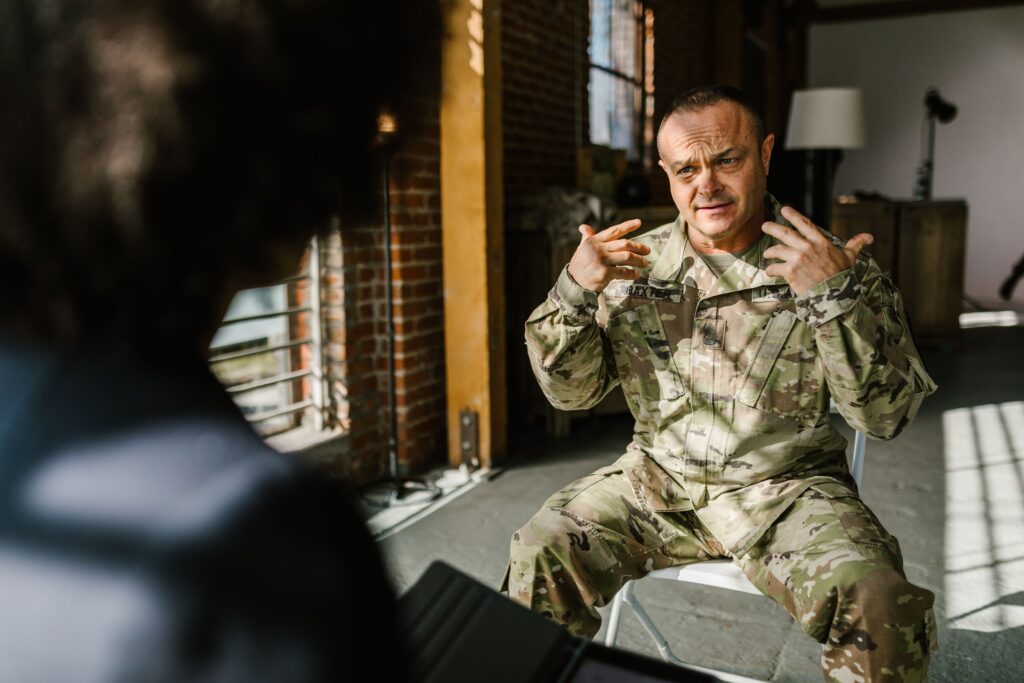
If you’re filing a VA disability claim for post-traumatic stress disorder (PTSD), a mental health condition that can develop after a life-threatening or deeply distressing event, you’ll likely be scheduled for a Compensation and Pension exam (C&P exam), the evaluation the U.S. Department of Veterans Affairs (VA) uses to assess your condition. For many veterans, the idea of revisiting trauma in front of an examiner is one of the hardest parts of the claims process, and that reaction is valid, not a flaw in you.
What happens at a C&P exam for PTSD? A VA or VA-contracted provider reviews your claim file, asks questions about your symptoms and the traumatic event connected to your military service, and may administer standardized PTSD assessments. According to the VA, the appointment can run anywhere from 15 minutes to an hour or more, and the examiner does not treat you, prescribe medication, or tell you the outcome of your claim. The exam report becomes one piece of evidence the VA uses, alongside your service records, medical history, and any statements you submit, to decide your claim.
Key Takeaways
- PTSD is common but not universal after trauma. About 6% of U.S. adults will experience PTSD at some point in their lives, and veterans, especially those who deployed to a combat zone, face a higher likelihood than civilians, according to the National Center for PTSD.
- The C&P exam is only one part of a larger review. The VA also considers your service treatment records, private medical evidence, and lay statements before making a decision, per VA.gov.
- You have options beyond the C&P exam itself. A separate independent medical opinion (also called a nexus letter) from a physician can add supporting documentation to your file, and an accredited Veterans Service Organization (VSO) or VA-accredited attorney can help you navigate the process at no or limited cost.
What Is a C&P Exam for PTSD?
A C&P exam is a medical evaluation the VA orders to help decide your disability claim. It is not a treatment appointment. Its only purpose is to help the VA understand your current level of functioning and whether your PTSD is connected to your military service.
For PTSD specifically, the exam typically uses a Disability Benefits Questionnaire (DBQ), a standardized VA form examiners complete to document your symptoms, their severity, and how they affect your daily life. You can see an example of what this looks like in the VA’s own PTSD review DBQ template.
Examiners may be VA employees or contracted providers working through a third-party vendor. Either way, the VA states plainly that examiners cannot discuss your exam results, explain the claims process, or make decisions about your case. Those determinations come later, from a VA rater reviewing your full file.
How Is a C&P Exam Different From an Independent Medical Opinion (Nexus Letter)?
A C&P exam is scheduled and conducted by the VA. An independent medical opinion, often called a nexus letter, is a separate medical review you can request from a private, licensed physician to add supporting evidence to your claim.
HealthSource Medical Associates does not perform the official C&P exam. That exam is conducted only by the VA or its contracted examiners. What this practice offers instead is a video visit with a board-certified physician who can review your records and reported history and, where the medical evidence supports it, provide an independent medical opinion connecting your PTSD to an in-service event or aggravating factor.
This distinction matters because a nexus letter doesn’t replace your C&P exam. It’s an additional piece of evidence you can submit alongside it. If your claim would benefit from a documented, physician-reviewed opinion, you can learn more about the VA independent medical opinion and nexus letter service offered through HealthSource.
Who Qualifies for PTSD Disability Compensation?
You may qualify for VA disability compensation for PTSD if a traumatic event happened during your military service and a doctor has diagnosed you with PTSD as a result, according to VA.gov.
The VA recognizes a range of qualifying stressors, including:
- Combat exposure, including service in an area of imminent danger
- Sexual assault or harassment that occurred during service
- Non-combat personal violence, such as physical assault or robbery
- Other traumatic incidents, such as a serious accident or witnessing someone’s death or serious injury
To support your claim, the VA generally asks you to complete a Statement in Support of Claimed Mental Health Disorder(s) Due to an In-Service Traumatic Event(s) (VA Form 21-0781), which describes the stressor in your own words. Eligibility determinations are made by the VA. A diagnosis and supporting evidence strengthen a claim, but they do not guarantee a specific outcome.
If your PTSD symptoms are new, worsening, or you don’t currently have a provider tracking your mental health care, a virtual primary care visit can help you establish ongoing care while your claim moves forward.
What Questions Are Asked in a PTSD C&P Exam?
Examiners generally ask about the traumatic event connected to your claim, how your symptoms show up day to day, and how those symptoms affect your work, relationships, and daily functioning.
Based on the structure of the VA’s own PTSD DBQ, you can expect questions that cover:
- The stressor event itself: what happened, when, and how it relates to your service
- Re-experiencing symptoms, such as nightmares, flashbacks, or intrusive memories
- Avoidance behaviors, including steering clear of people, places, or conversations tied to the trauma
- Negative changes in mood or thinking, such as guilt, numbness, or a persistently negative outlook
- Arousal symptoms, like being easily startled, hypervigilant, or having trouble sleeping or concentrating
- The impact of these symptoms on your job performance, family relationships, and social life
The National Center for PTSD groups these into four symptom categories: re-experiencing, avoidance, negative thoughts and feelings, and hyperarousal. This mirrors how most C&P exam questions are organized.
A few practical steps can make the appointment easier to get through:
- Bring a written timeline of your symptoms and how they’ve changed over time, if that helps you stay organized
- Be specific and honest about how symptoms affect daily functioning, even when it’s uncomfortable to describe
- Bring a support person to wait with you, if your facility allows it, even though they typically won’t be in the room
- Review your claim file or any prior statements beforehand so the details are fresh
- Plan for rest afterward: many veterans find the exam emotionally draining
Can a C&P Exam Make PTSD Symptoms Worse?
Talking through a traumatic event can temporarily increase distress for some veterans, though this does not mean the exam is causing lasting harm.
It’s common to feel anxious, activated, or emotionally raw during and after discussing trauma-related symptoms. Research on trauma-focused assessment generally finds that short-term distress during structured evaluation is common but typically subsides, and does not reflect long-term worsening of the underlying condition. If you notice symptoms lingering or intensifying in the days after your exam, that’s worth mentioning to your regular mental health provider.
If you’re in significant distress before, during, or after a C&P exam, you’re not expected to manage that alone.
When to Seek Immediate Help
If you are having thoughts of harming yourself or feel you are in crisis, help is available right now. Veterans and service members can call or text 988, then press 1, to reach the Veterans Crisis Line, or chat online. Support is available 24/7, and you do not need to be enrolled in VA care or benefits to use it.
This is not an emergency service. In an emergency, call 911 or go to the nearest emergency room.
What Happens After a C&P Exam for PTSD?
The C&P exam itself does not produce a decision. The VA combines it with the rest of your claim file to reach a final determination. That file includes the examiner’s report, your service records, medical evidence, and any lay or buddy statements you’ve submitted, which the VA weighs together to determine service connection and, if approved, a disability rating.
The VA rates mental health conditions, including PTSD, using a general formula under 38 CFR § 4.130 based on how much your symptoms affect your occupational and social functioning, generally at levels of 0%, 10%, 30%, 50%, 70%, or 100%:
- Lower ratings reflect symptoms that cause mild or occasional impact on work efficiency
- Mid-range ratings reflect reduced reliability and productivity, or deficiencies in most areas of life
- The highest ratings reflect total or near-total occupational and social impairment
No article, physician, or advocate can tell you in advance what rating you’ll receive. The rating is determined by the VA based on the full evidentiary record, and no service, including an independent medical opinion, can guarantee a specific percentage or claim approval.
Common Mistakes That Slow Down PTSD Claims
A few avoidable issues tend to delay or weaken PTSD claims:
- Missing or rescheduling the C&P exam without notifying the VA, which can result in a decision based on incomplete information
- Vague descriptions of the in-service stressor, rather than specific dates, locations, or circumstances
- Gaps in mental health treatment records that make it harder to show symptom continuity over time
- Submitting a claim without lay statements from family, friends, or fellow service members who’ve observed changes in you
- Not seeking help from an accredited representative when the paperwork becomes overwhelming
If you’re unsure how to strengthen your file, an accredited VSO representative, whose services on VA claims are always free, or a VA-accredited attorney can help you understand what evidence is missing.
Frequently Asked Questions
Do I have to attend the C&P exam? Generally, yes. Missing a scheduled C&P exam without rescheduling can result in your claim being decided on the evidence already on file, which may not be in your favor. If you can’t make it, contact the VA or your examiner as soon as possible to reschedule.
Can I bring someone with me to my C&P exam? Many veterans bring a family member or friend to wait with them, though the support person typically isn’t allowed in the exam room itself. Check with your specific exam location for their policy.
Does HealthSource Medical Associates perform C&P exams? No. The official C&P exam is scheduled and conducted only by the VA or its contracted examiners. HealthSource offers a separate service, an independent medical opinion (nexus letter) via video visit, that can add supporting documentation to your claim file.
Will a nexus letter guarantee my PTSD claim gets approved? No documentation can guarantee approval or a specific disability rating. An independent medical opinion is one piece of evidence the VA may consider alongside your C&P exam, service records, and other documentation. The VA makes the final decision.
What if my PTSD symptoms feel worse after my C&P exam? Increased distress after discussing trauma is common and often temporary. If symptoms persist, reach out to your mental health provider, and if you’re ever in crisis, call or text 988 and press 1 for the Veterans Crisis Line.
Is this legal advice about my VA claim? No. This article explains what the VA’s process generally involves. For guidance specific to your claim, consult VA.gov directly or an accredited VSO or VA-accredited attorney, who can advise you on your individual situation at no or limited cost.
Get an Independent Medical Opinion to Support Your Claim
If you’re preparing for a PTSD claim and want a physician-reviewed opinion to accompany your C&P exam, HealthSource Medical Associates offers a VA independent medical opinion / Nexus evaluation for $479.00 via a secure video visit with a board-certified physician. This service does not replace your official C&P exam and does not guarantee a specific outcome. It adds an additional, physician-documented opinion to the evidence the VA considers. You can book an appointment when you’re ready.
Sources
- VA Claim Exam (C&P Exam): U.S. Department of Veterans Affairs
- Disability Compensation for PTSD: VA.gov
- Evidence Needed for Your Disability Claim: VA.gov
- Get Help From an Accredited Representative: VA.gov
- PTSD Basics: National Center for PTSD
- How Common Is PTSD in Adults?: National Center for PTSD
- What Is 988?: Veterans Crisis Line
- Post-Traumatic Stress Disorder (PTSD): Symptoms & Causes: Mayo Clinic
- Post-Traumatic Stress Disorder: National Institute of Mental Health (NIMH/NIH)
- 38 CFR § 4.130: Schedule of Ratings, Mental Disorders (eCFR)
This article is for informational purposes only and is not a substitute for professional medical advice.
Medical documentation supports your request but does not guarantee approval. Final decisions are made by your employer, insurance carrier, leave administrator, school, or applicable state program.