
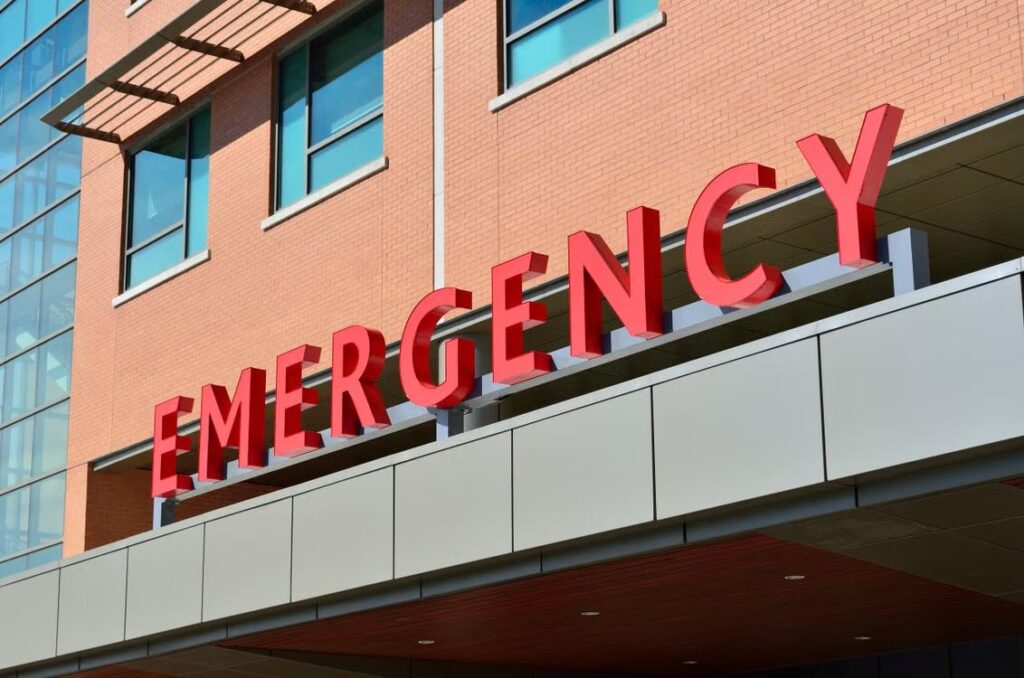
Virtual medicine has made healthcare faster and easier for millions of people, but part of using it wisely is recognizing its limits. A video visit is a powerful tool for the right problem and the wrong tool for a true emergency. Learning the difference protects your health, and in some situations it can save a life. This guide walks through the warning signs that always warrant emergency care and the concerns that a virtual provider can safely handle.
Thinking through emergency vs telehealth care before you are in a stressful moment makes the decision far easier when it counts.
Symptoms That Always Mean the Emergency Room
Certain warning signs should never be routed through a screen. Call 911 or go to the nearest emergency department for chest pain or pressure, sudden trouble breathing, severe bleeding, a serious injury, or a suspected overdose. Stroke is especially time-sensitive: the American Stroke Association’s BE FAST guidance highlights sudden balance loss, vision changes, face drooping, arm weakness, and speech trouble as reasons to call for help immediately. The same urgency applies to heart symptoms. The American Heart Association’s warning signs of a heart attack include chest discomfort, pain radiating to the arm, neck, or jaw, shortness of breath, and cold sweats. When these appear, minutes matter, and an ambulance can begin treatment on the way.
What a Virtual Visit Handles Safely
Away from those red flags, a huge range of concerns fits comfortably online. Colds, flu, minor infections, rashes, medication questions, and routine follow-ups are all strong candidates for online urgent care. If your symptoms are stable, you can describe them clearly, and you are not in distress, a virtual urgent care provider can evaluate you, recommend treatment, and tell you plainly if an in-person visit is the safer path.

The Gray Areas: When to Call First
Some situations sit in the middle, and that is where a quick judgment call helps. A high fever that will not break, a deep cut that may need stitches, or worsening pain after an injury can start with a phone conversation, but be ready to escalate. A useful rule of thumb: if a symptom is sudden, severe, or rapidly getting worse, treat it as an emergency until a professional tells you otherwise. Ongoing conditions are better served by virtual primary care, where a provider who knows your history can weigh what is normal for you.
Building a Plan Before You Need One
The calmest time to make these decisions is before an emergency ever happens. Keep your local emergency number, nearest hospital, and pharmacy details somewhere easy to find, and know which everyday issues your telehealth provider can address. Understanding urgent care telehealth and its boundaries turns a frightening moment into a clear next step. If you are ever unsure, reach out to the team at HealthSource Medical Associates and let a professional help you choose the safest option.
Frequently Asked Questions
How do I know if my symptoms are an emergency?
Treat chest pain, difficulty breathing, stroke signs, severe bleeding, and major injuries as emergencies. When symptoms are sudden, severe, or worsening quickly, call 911 rather than booking a virtual visit.
Can a telehealth provider treat a broken bone or deep cut?
No. Injuries that may need imaging, stitches, or hands-on treatment require in-person care. A provider can advise you quickly, but you should head to a clinic or emergency department.
Is it ever wrong to call 911 for something minor?
Emergency clinicians would rather evaluate you and send you home reassured than have you delay care during a serious event. When in doubt about a red-flag symptom, call.
What everyday problems are fine for a video visit?
Colds, flu, minor infections, rashes, allergies, medication refills, and routine follow-ups are all well suited to a virtual consultation.
Can a virtual provider help me decide where to go?
Yes. If your situation is unclear, a provider can assess your symptoms and direct you to the appropriate level of care, including the emergency room when needed.
Ready to Get Started?
Know your options before you need them. For everyday, non-emergency concerns, connect with a HealthSource provider for safe, convenient virtual care — and always call 911 in a true emergency.