

You wake up after eight hours of sleep, yet your limbs feel like lead. By 2:00 pm, your focus dissolves into a hazy fog, and the thought of completing your afternoon tasks feels like climbing a mountain. Most people reach for a second or third cup of coffee, assuming their exhaustion is a byproduct of a busy schedule or poor sleep quality.
However, the root of this persistent lethargy often has nothing to do with sleep and everything to do with the fluid balance inside your cells. The connection between hydration for energy and cellular function is one of the most overlooked aspects of modern wellness, yet it is the primary reason why many individuals suffer from preventable, chronic fatigue.
Understanding this link is the first step in moving from a state of constant exhaustion to one of vibrant vitality.
The Cellular Engine and the Role of Water
To understand why dehydration causes fatigue, we must look at the mitochondria, the power plants of our cells. These organelles responsible for creating adenosine triphosphate (ATP), the body’s primary energy currency, require a highly specific aqueous environment to function. When the body is dehydrated, blood volume decreases, making it thicker and harder for the heart to pump. This reduction in blood volume means that oxygen and essential nutrients are delivered to the brain and muscles at a much slower rate.
A study published in the Journal of Nutrition found that even mild dehydration, defined as a 1% to 3% loss in body weight due to fluid loss, can significantly impair mood, concentration, and energy levels. For a person weighing 150 pounds, a loss of just 1.5 to 4.5 pounds of water weight is enough to trigger a noticeable decline in cognitive and physical performance. This is why you may feel exhausted even if you have not engaged in strenuous physical activity; your heart is working overtime just to maintain basic circulation.
Why Thirst is a Late Indicator
Many people rely on the sensation of thirst to tell them when to drink. Unfortunately, by the time your brain signals that you are thirsty, you are already in a state of mild dehydration. Chronic fatigue often stems from subclinical dehydration, a state where you are not thirsty enough to drink but not hydrated enough to function optimally. This persistent low-level fluid deficit keeps the body in a state of low-grade stress, elevating cortisol levels and further contributing to burnout.
Quick Tip: Check your hydration levels by the color of your urine. It should ideally be the color of pale straw. If it is dark yellow or amber, your body is likely struggling to maintain its energy reserves due to fluid loss.

Hydration for Energy: Beyond Just Water
While H2O is the headline, true hydration for energy involves a delicate balance of electrolytes, sodium, potassium, magnesium, and calcium. These minerals carry an electric charge that is vital for nerve signaling and muscle contraction. If you drink massive amounts of plain, filtered water without replacing electrolytes, you may inadvertently flush out these essential minerals, leading to a condition called hyponatremia, which ironically causes even more fatigue and muscle weakness.
Incorporating mineral-rich foods like cucumbers, celery, and sea salt into your diet ensures that the water you drink actually enters the cells where it is needed most. This is a core tenet of lifestyle medicine: using the simplest elements of nature to solve complex physiological problems.
When Fatigue Becomes a Clinical Hurdle
For some, fatigue is not just a daily annoyance but a debilitating symptom of an underlying chronic condition. When dehydration compounds existing issues like fibromyalgia, chronic fatigue syndrome, or dysautonomia, the result can be a total inability to perform workplace duties. In these instances, lifestyle changes must be paired with professional medical advocacy.
Individuals dealing with these complex interactions often find themselves needing intermittent FMLA leave to manage their symptoms. This legal protection allows employees to take time off in short bursts when their fatigue becomes unmanageable, ensuring they do not lose their jobs while they work on stabilizing their health. Through virtual urgent care, patients can consult with providers who understand the intersection of lifestyle factors and labor rights, providing the necessary documentation to secure these protections.
The Administrative Load of Chronic Illness
One of the greatest drains on a person’s energy is the administrative burden of managing health. For someone already struggling with chronic fatigue, the thought of driving to a clinic, sitting in a waiting room, and navigating a pharmacy can feel impossible. This physical strain often leads to a cycle of non-compliance, where the patient stops taking necessary medications because the process of obtaining them is too exhausting.
Telehealth removes these barriers. The ability to get a prescription refill online means that a patient can maintain their treatment plan for blood pressure, thyroid issues, or other fatigue-related conditions without leaving their home. This conservation of energy is a vital part of the healing process. By streamlining the logistical side of healthcare, patients have more capacity to focus on the H2O pillar and other restorative habits.
Dehydration as a Trigger for Urgent Care Virtual Visits
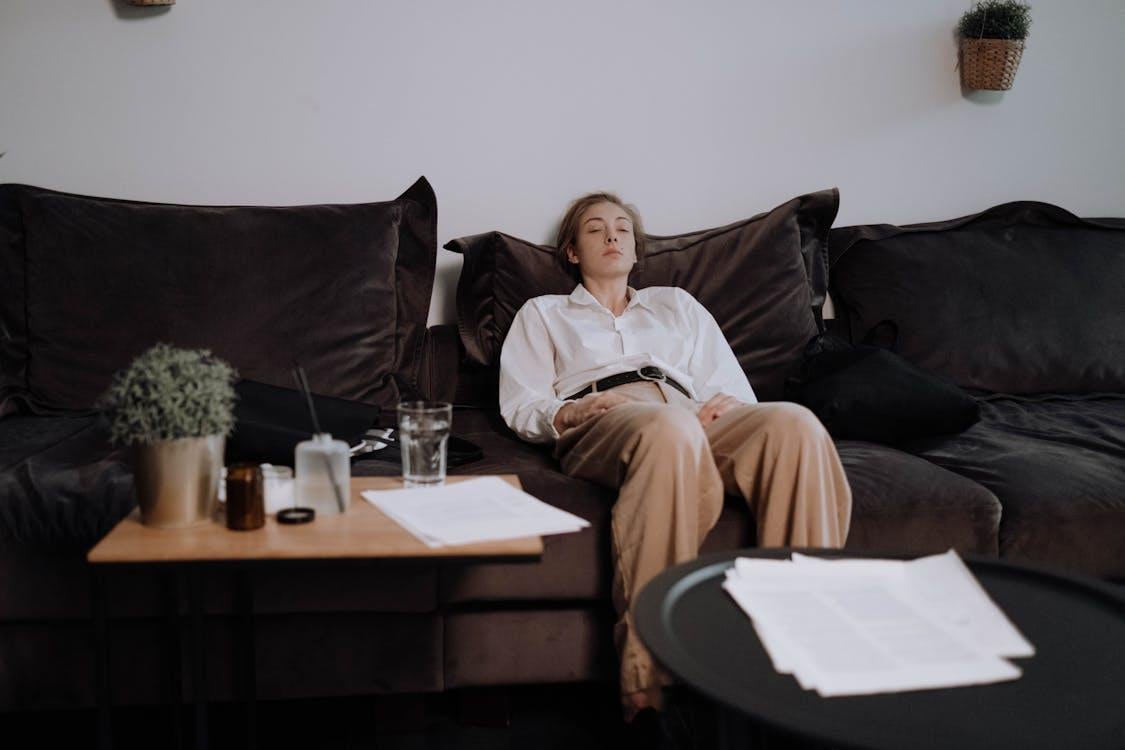
It is a common sight in emergency rooms: patients presenting with dizziness, heart palpitations, and severe lethargy, only to find that their symptoms resolve after two liters of intravenous saline. Many of these visits could be prevented through proactive virtual monitoring and lifestyle education.
Dehydration mimics many serious conditions. It can cause chest pain, fainting (syncope), and severe headaches. When these symptoms appear, it is natural to panic. However, a quick virtual consultation can often determine if the issue is a simple fluid deficit that can be managed at home or a more serious event requiring an in-person visit. This triage saves the patient thousands of dollars and prevents the added stress of a hospital environment, which is known to further deplete energy levels.
Did you know? By the time you feel the sensation of thirst, your body has already lost about 1% to 2% of its total water content. This seemingly small amount is enough to disrupt your short-term memory and physical coordination.
The Spiritual and Mental Dimension of the Water Pillar
In many faith traditions, water is a symbol of life, purity, and renewal. Applying the H2O pillar is not just a biological necessity; it is an act of stewardship. Treating the body with the respect it deserves by providing it with pure, life-giving water aligns the physical self with spiritual goals. A hydrated brain is a more patient brain; it is more capable of prayer, meditation, and thoughtful interaction with others.
When we are chronically dehydrated, we are more prone to irritability and anxiety. The brain, which is approximately 75% water, shrinks slightly during dehydration, pulling away from the skull and causing dehydration headaches. This physical discomfort makes it difficult to maintain a positive mental or spiritual outlook. By prioritizing hydration, we create a calm, stable environment for both the mind and the soul to flourish.
Implementing the Hydration Strategy
To turn the tide on chronic fatigue, consider these actionable steps:
- Morning Flush:Drink 16 ounces of water immediately upon waking to kickstart your metabolism and rehydrate after sleep.
- Strategic Sipping:Carry a reusable bottle and sip throughout the day rather than “chugging” large amounts at once, which can overwhelm the kidneys.
- Eat Your Water:Consume water-dense fruits and vegetables to provide a slow-release form of hydration along with fiber.
- Monitor Stress:Remember that stress is a dehydrator. High cortisol levels can lead to increased fluid loss through respiration and perspiration.

Navigating the Path to Recovery
Recovery from chronic fatigue is rarely a quick fix. It is a journey of rediscovering the body’s natural rhythms and needs. For those who have spent years in a state of exhaustion, the support of a dedicated medical team is essential. Whether it is through adjusting medications, securing intermittent FMLA leave, or using virtual platforms to get a prescription refill online, having a clinical partner makes the transition easier.
Telemedicine bridges the gap between the patient’s home, where the real work of lifestyle change happens, and the professional expertise needed to guide that change. It allows for continuous support and accountability, ensuring that the H2O pillar becomes a permanent part of the patient’s lifestyle rather than a passing trend.
Reclaim Your Vitality with HealthSource Medical Associates
We believe that no one should have to live in a state of constant exhaustion. At HealthSource Medical Associates, we are dedicated to helping you find the why behind your fatigue. Our approach goes beyond surface-level symptoms to address the foundational pillars of health, including the critical role of hydration and temperance. We understand that life is demanding, and we are here to provide the tools that make wellness achievable.
Whether you need a virtual consultation to discuss your energy levels, help navigate intermittent FMLA leave for a chronic condition, or the convenience of being able to get a prescription refill online, we are your health partners. We combine compassionate, faith-based care with the latest in lifestyle medicine to help you regain the energy you need for the things that matter most. Reach out to us today.